

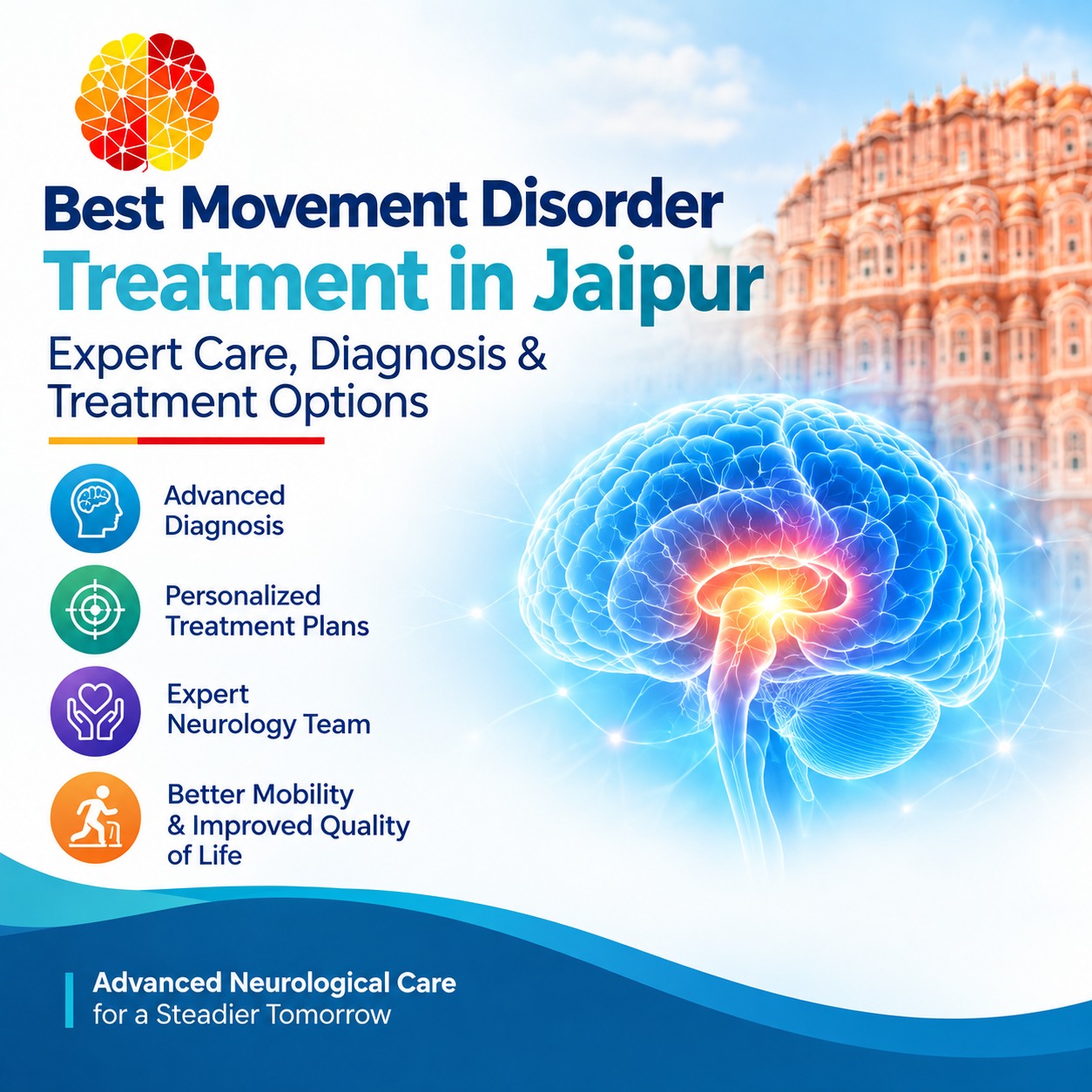
Best Movement Disorder Treatment in Jaipur Expert Care, Diagnosis & Treatment Options
The problems with movements can disrupt the ability to walk, talk, balance and control muscles. Problems like tremor, rigidity, uncontrolled movements, slowed movements, and abnormal posturing can interfere in daily functions and lower the quality of life in a gradual manner.
As movement-related symptoms may arise due to various reasons, a precise neurological diagnosis is a necessary first step. An effective treatment will depend upon the cause of the symptoms, severity of the symptoms, health status of the patient, and his/her reaction to the treatment.
When looking for the best movement disorder treatment in Jaipur, neurologists may assist in finding out the reason for abnormal movements and planning an individual treatment.
Dr. Vaibhav Mathur Movement Disorder and Parkinson's Specialist / Neurologist is a facility which provides specialized evaluation and treatment for Parkinsonism and other movement disorders such as tremor, dystonia, chorea, ataxia, and myoclonus. The official BrainSpineMind profile describes Dr. Mathur as a Consultant Neurophysician and Movement Disorders Specialist.
What Are Movement Disorders?
Movement disorders can be described as neurological problems that involve difficulties controlling or producing movements. In some cases, the problem involves difficulty in executing movements, while in other cases, there might be too many movements or uncontrolled movements.
Depending on the condition, movement disorders can affect:
- Muscle control
- Balance and coordination
- Walking
- Hand movements
- Speech
- Posture
- Facial movements
- Everyday activities
Not every tremor or unusual movement means that a person has Parkinson's disease. Several neurological conditions can cause similar symptoms, making accurate diagnosis and specialist evaluation essential for finding the best movement disorder treatment in Jaipur based on the patient's specific condition and needs.
Common Types of Movement Disorders
Movement disorders include a broad group of neurological conditions. Some commonly managed conditions include:
Parkinson's Disease and Parkinsonism
Parkinson's disease is a progressive disorder of the nervous system that results in various symptoms including slow movement, rigidity, tremor, and problems with balance. Parkinsonism is a more general term that refers to disorders that have certain movement characteristics similar to Parkinson's disease.
The treatment and management depend on the individual case.
Tremor and Essential Tremor
Tremor refers to involuntary rhythmic shaking of part of the body. It may affect the hands, head, voice or other areas.
Essential tremor is one condition associated with involuntary rhythmic movements and may interfere with activities such as writing, eating or holding objects.
Dystonia
Dystonia can cause involuntary muscle contractions that lead to repetitive movements or abnormal postures. In some patients, the movements may be uncomfortable or painful.
Specialist evaluation can help determine the type and pattern of dystonia and identify appropriate treatment options.
Chorea
Chorea is characterized by irregular, involuntary movements that may appear unpredictable and flowing. It can occur in association with several neurological disorders.
Ataxia
Ataxia affects coordination and balance. Patients may experience difficulty walking, maintaining balance or performing precise movements.
Myoclonus and Other Movement Disorders
Myoclonus involves brief, sudden muscle jerks. Other movement disorders may involve tics, repetitive movements, abnormal postures or other changes in motor control.
The BrainSpineMind profile specifically lists Parkinsonism, tremors, dystonia, ataxia, chorea, myoclonus and other movement disorders among Dr. Vaibhav Mathur's areas of special interest.
Common Symptoms of Movement Disorders
Symptoms can vary considerably depending on the underlying neurological condition. Common signs may include:
- Tremors or shaking of the hands or other body parts
- Muscle stiffness
- Slowness of movement
- Difficulty walking
- Balance problems
- Uncontrolled or involuntary movements
- Abnormal or unusual postures
- Repetitive movements
- Difficulty with coordination
- Changes in speech or facial movement
Some symptoms may develop gradually, while others can become noticeable more suddenly. Persistent or progressively worsening symptoms should be evaluated by a qualified medical professional.
Dr. Vaibhav Mathur - Movement Disorder and Parkinson's Specialist / Neurologist
Dr. Vaibhav Mathur Movement Disorder and Parkinson's Specialist / Neurologist is associated with BrainSpineMind Clinic in Jaipur.
According to his official profile, Dr. Mathur holds MBBS, MD Medicine (Gold Medalist), DM Neurology and DrNB Neurology qualifications. His profile also lists a Fellowship in Movement Disorders from Jaslok Hospital, Mumbai, and identifies him as a Consultant Neurophysician and Movement Disorders Specialist at Narayana Multispeciality Hospital, Jaipur.
His listed movement disorder expertise includes Parkinsonism, tremors, dystonia, ataxia, chorea and myoclonus. The profile also highlights pharmacotherapy for advanced cases, botulinum toxin injections, EMG-guided injections and DBS planning and programming.
The website further states that Dr. Mathur has academic and professional experience, including medical publications, conference presentations and professional memberships in organizations including the International Movement Disorders Society and Movement Disorders Society of India.
For patients looking for movement disorder care in Jaipur, these areas of focused expertise can be relevant when selecting a neurologist for evaluation and long-term management.
When Should You Consult a Movement Disorder Specialist?
It may be appropriate to seek neurological evaluation when movement-related symptoms persist, interfere with daily activities, or continue to progress.
You should consider discussing your symptoms with a specialist if you notice:
- Persistent hand or body tremors
- New or unexplained involuntary movements
- Increasing stiffness
- Slowness in everyday movements
- Difficulty walking or maintaining balance
- Repeated abnormal postures
- Unexplained muscle contractions
- Progressive changes in movement or coordination
If you are searching for the best movement disorder specialist in Jaipur, look beyond general rankings and consider the doctor's qualifications, focused expertise, diagnostic approach, treatment options and experience with the particular condition.
How Are Movement Disorders Diagnosed?
There is no single test that diagnoses every movement disorder. A specialist generally begins by understanding the patient's symptoms, medical history and movement patterns.
Depending on the individual case, evaluation may include:
Detailed Medical History
The doctor may ask when symptoms started, how they have changed over time, which parts of the body are affected and whether particular activities make them better or worse.
Neurological Examination
A neurological examination helps assess movement, muscle tone, coordination, reflexes, balance, walking and other neurological functions.
Medication Review
Some medicines can contribute to abnormal movements. Reviewing current and previous medications can therefore be an important part of the assessment.
Blood Tests or Imaging
Blood tests, MRI, CT or other investigations may be recommended when clinically appropriate to investigate possible underlying causes or rule out other conditions.
Specialized Neurological Assessment
Depending on the symptoms, specialized neurological tests may also be considered. The appropriate evaluation varies from patient to patient.
An important part of good movement disorder care is avoiding unnecessary investigations while selecting the tests that can genuinely help with diagnosis and treatment planning.
Best Movement Disorder Treatment in Jaipur: Available Treatment Options
There is not any particular treatment that is effective for all cases of movement disorders. It entirely depends upon the patient’s diagnosis, symptoms, the severity of the condition, age, overall health of the patient, and previous treatments.
A few possible treatments can be considered for movement disorders.
Medication Management
Medicines may be used to manage symptoms associated with conditions such as Parkinson's disease, dystonia, tremor and other neurological disorders.
Medication selection and dosage should be determined by a qualified doctor after evaluating the patient. Patients should not start, stop or change neurological medicines without medical advice.
Physiotherapy and Rehabilitation
Physiotherapy and rehabilitation may support mobility, balance, strength and functional independence in selected patients.
Depending on the condition, rehabilitation can form an important part of long-term neurological care.
Lifestyle and Supportive Care
Appropriate physical activity, healthy routines, adequate sleep and supportive care may complement medical treatment. The recommendations should be tailored to the patient's condition and overall health.
Botulinum Toxin Treatment
Botulinum toxin injections may be considered for selected movement disorders, including certain forms of dystonia and other conditions involving abnormal muscle activity.
Dr. Vaibhav Mathur's official profile specifically lists routine and EMG-guided botulinum injections among his movement disorder expertise.
EMG-Guided Botox
Electromyography, or EMG, can help identify and target specific muscles during selected botulinum toxin procedures.
The BrainSpineMind profile describes experience with direct and EMG-guided botulinum toxin techniques, including applications in cervical dystonia, oromandibular dystonia, writer's cramps and post-stroke spasticity.
This treatment is not appropriate for every patient, so specialist assessment is important before considering it.
Parkinson's Disease Management
Parkinson's disease requires individualized and often long-term management. Symptoms can differ significantly between patients, and treatment may need to be adjusted as the condition changes.
Management may involve:
- Neurological assessment
- Individualized medication planning
- Regular follow-up
- Physiotherapy and rehabilitation
- Supportive lifestyle measures
- Assessment of advanced treatment options when appropriate
Dr. Vaibhav Mathur is identified by BrainSpineMind as a Consultant Neurophysician and Movement Disorders Specialist, with a special interest in Parkinsonism and other movement disorders. His profile also lists advanced pharmacotherapy and Deep Brain Stimulation planning and programming among his areas of expertise.
Role of Botulinum Toxin in Movement Disorders
Botulinum toxin can be useful for selected patients whose symptoms involve excessive or abnormal muscle activity.
It may be considered in certain forms of:
- Dystonia
- Hemifacial spasm
- Blepharospasm
- Some forms of spasticity
- Selected other movement-related conditions
The injection technique and target muscles depend on the patient's diagnosis and symptom pattern.
According to the BrainSpineMind profile, Dr. Vaibhav Mathur has experience with both direct and EMG-guided botulinum toxin injections and uses portable EMG techniques for selected dystonia and other conditions.
Botulinum toxin should always be considered following appropriate specialist evaluation rather than as a universal treatment for movement disorders.
Deep Brain Stimulation (DBS) for Movement Disorders
Deep Brain Stimulation, commonly known as DBS, is an advanced treatment option that may be considered for selected patients with certain movement disorders.
The BrainSpineMind website describes DBS as an advanced neurological technique used for movement disorders such as Parkinson's disease, dystonia and essential tremor.
DBS involves placing electrodes in specific areas of the brain to deliver controlled electrical stimulation. However, DBS is not suitable for every patient.
A proper evaluation may involve:
- Confirming the diagnosis
- Assessing symptom severity
- Reviewing response to previous treatments
- Evaluating whether the patient is an appropriate candidate
- Pre-operative planning
- Surgical coordination
- Post-operative programming and follow-up
Dr. Vaibhav Mathur's profile specifically mentions pre-operative patient selection, operative monitoring, initial programming and reprogramming of DBS systems, along with experience with Medtronic and Boston programmers.
Why Choose a Movement Disorder Specialist?
Movement disorders can sometimes be difficult to distinguish from one another because different neurological conditions may produce similar symptoms.
A specialist-focused evaluation can help with:
- Detailed assessment of abnormal movements
- More specific diagnosis
- Individualized treatment planning
- Medication optimization
- Long-term monitoring
- Evaluation for advanced treatment options when appropriate
Choosing a specialist does not mean that every patient requires advanced treatment or surgery. In many cases, appropriate diagnosis and medical management are the foundation of care.
Conclusion
Movement disorders can affect much more than physical movement. Tremors, stiffness, abnormal postures, involuntary movements, balance difficulties and slow movement can make everyday tasks challenging. The first step toward appropriate care is understanding the underlying cause through a detailed neurological assessment.
The best movement disorder treatment in Jaipur is not necessarily one particular medicine or procedure. Effective care is based on accurate diagnosis, individualized treatment and appropriate follow-up. Depending on the condition, treatment may involve medication, rehabilitation, botulinum toxin therapy or advanced options such as DBS for carefully selected patients.
For patients searching for the best movement disorder specialist in Jaipur, Dr. Vaibhav Mathur's focused experience in Parkinsonism and movement disorders, along with expertise in botulinum toxin treatment and DBS planning and programming, may be relevant when considering specialist neurological care.
If you or a family member is experiencing persistent tremors, stiffness, abnormal movements, walking difficulties or other unexplained changes in movement, consider consulting a qualified neurologist for an appropriate evaluation.
RECENT POSTS
-
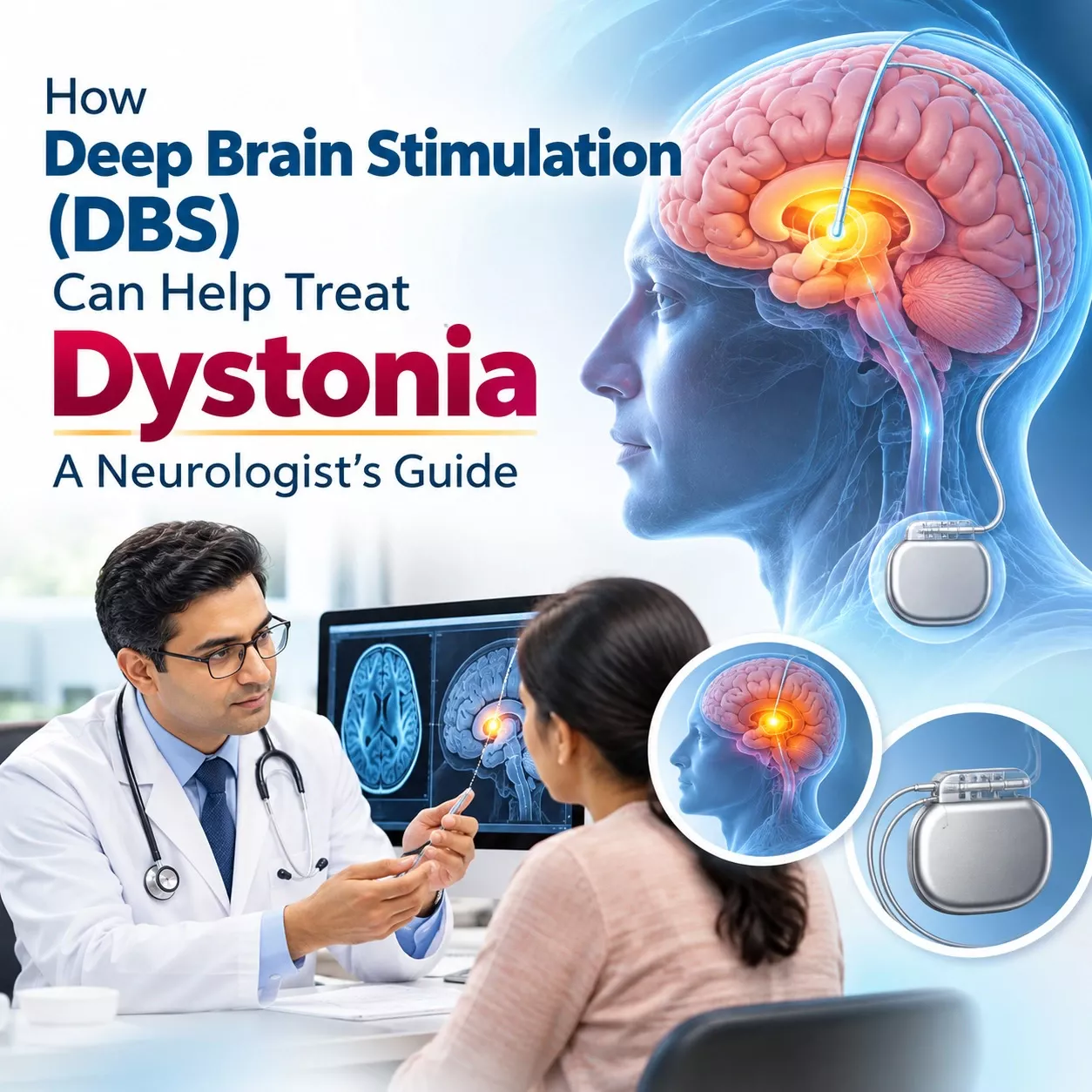 How Deep Brain Stimulation (DBS) Can Help Treat Dystonia A Neurologist’s Guide
-
Best Movement Disorder Treatment in Jaipur Expert Care, Diagnosis & Treatment Options
-
 Choosing the Right Best Neurologist for Parkinson Disease What Patients Should Consider
-
 What Patients Should Know Before Choosing the Best Parkinson Doctor in Jaipur
-
 Now There is a Pacemaker in the Bladder, Which Controls Urine Flow.
-
 Searching for a Neurologist in Jaipur? Here’s Your Detailed Overview
-
 Passionate about Brain Care However, See the Top Neurology Doctor in Jaipur
-
 Advanced Treatment for Parkinson Disease in Jaipur