

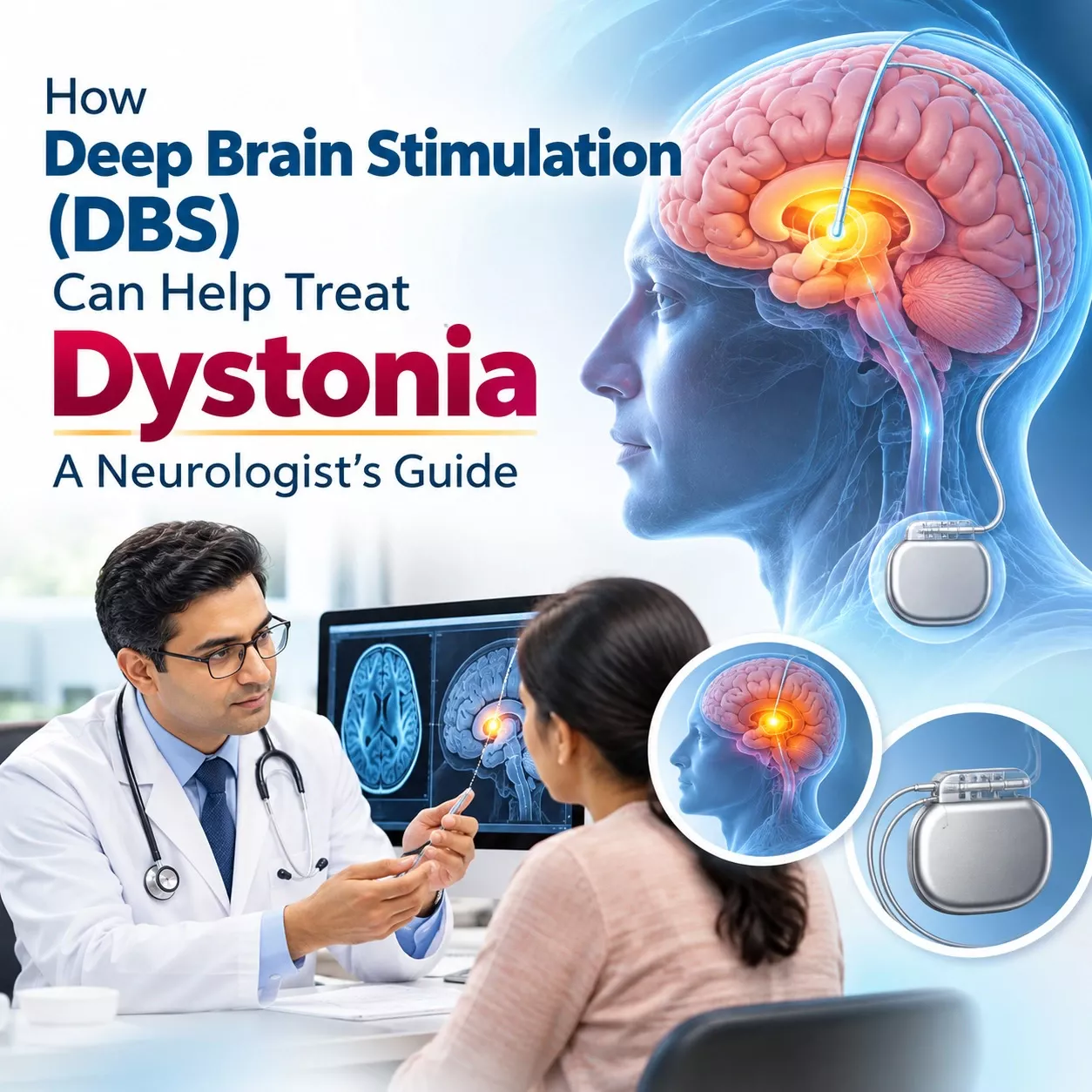
How Deep Brain Stimulation (DBS) Can Help Treat Dystonia A Neurologist’s Guide
Dystonia is a movement disorder that leads to involuntary muscle contractions, repeated movements, twisting motions and unusual body positions. These physical changes can make simple tasks, like walking, writing, eating or just sitting comfortably very hard. Even though there are treatments available some people still have symptoms even when they are getting the right medical care.
Deep Brain Stimulation or DBS is a treatment that can help certain patients control their dystonia symptoms. It works by sending electrical signals to specific parts of the brain that control movement.. Dbs does not work for everyone. The effectiveness of DBS depends on the type of dystonia that causes it and the person’s overall health condition.
In this guide, we explain how DBS works, who may benefit from it, and why assessment by a neurologist or movement disorders specialist is important. A dystonia doctor in jaipur can help evaluate persistent symptoms and discuss suitable care options.
What Is Dystonia?
Dystonia is a movement disorder. In dystonia muscles contract, without control. This leads to movements or unusual body positions. It can happen in one area of the body. It might also affect more than one part. In some cases the whole body is involved. The condition varies in how it shows up. The way it appears depends on the person.
The symptoms may develop gradually or appear over time. Some people experience intermittent muscle spasms, while others have persistent twisting movements or sustained abnormal postures.
Common Symptoms of Dystonia
Depending on the type and affected muscles, symptoms may include
- Involuntary muscle contractions or spasms
- Repeated twisting movements
- Unusual positioning of the neck, hands, feet, or other body parts
- Difficulty writing or performing precise hand movements
- Uncontrolled blinking or facial movements
- Muscle discomfort or pain associated with sustained contractions
- Difficulty performing certain daily activities.
Dystonia can come from causes. These include genes, some system problems, injuries to the brain or side effects of medicines. Sometimes the real reason for Dystonia is not found. If you see movements that happen on their strange poses that stay, ask a skilled neurologist to look at you. A correct diagnosis will show which Dystonia treatments could work.
What Is Deep Brain Stimulation (DBS)?
Deep Brain Stimulation, commonly known as DBS, is a surgical treatment used to manage symptoms of certain neurological movement disorders, including selected forms of dystonia.
The procedure involves placing electrodes in certain parts of the brain that control movement. These electrodes are linked to a device called a pulse generator, which is usually placed under the skin in the chest or abdomen area. The device sends electrical pulses to help manage abnormal brain activity that causes unwanted movements.
Deep Brain Stimulation or DBS does not fix the root cause of dystonia. It does not guarantee a complete cure. Its main goal is to lower symptoms and help patients function better especially when selected carefully. People who are thinking about DBS should talk to a DBS surgery doctor in Jaipur. A personal evaluation is needed to see if the treatment is right for them.
The exact brain target and stimulation settings depend on the patient's condition and the treatment plan developed by the specialist team.
How Can DBS Help Treat Dystonia?
For selected patients, DBS may reduce the involuntary muscle contractions that cause twisting movements, abnormal postures, and difficulties with everyday activities.
Dystonia involves disruptions in the brain networks responsible for regulating movement. DBS delivers electrical stimulation to a targeted brain region to help regulate these movement-related signals.
1. Reducing Involuntary Muscle Contractions
Persistent muscle contractions can make it difficult to keep the neck, arms, legs, or other body parts in a comfortable position. In suitable patients, DBS may help reduce the severity of these contractions and improve control over abnormal movements.
2. Improving Abnormal Postures
Some forms of dystonia cause the neck, trunk, hands, or feet to turn into unusual positions. When treatment is effective, DBS may help improve posture and reduce the physical limitations associated with these symptoms.
3. Supporting Everyday Activities
Depending on the patient's response, reduced dystonia symptoms may make activities such as walking, dressing, writing, or performing routine tasks easier. The extent of improvement varies from person to person.
4. Supporting Long-Term Symptom Management
DBS requires continued medical supervision. The stimulation settings can be adjusted according to the patient's response, side effects, and changing needs. Follow-up appointments are essential to assess progress and optimize treatment.
The benefits of DBS are not identical for every patient. Outcomes depend on several factors, including the type and cause of dystonia, symptom duration, and individual clinical characteristics.
Who May Be a Candidate for DBS?
DBS may be considered for certain patients whose dystonia symptoms remain significantly troublesome despite appropriate medical treatment.
However, the presence of dystonia alone does not automatically mean that a person needs DBS. Before recommending this treatment, specialists must determine whether the potential benefits outweigh the risks.
The assessment may include:
- A detailed neurological examination
- Review of symptoms and their progression
- Medical and family history
- Evaluation of previous medicines, injections, and other treatments
- Relevant diagnostic tests and brain imaging when indicated
- Assessment of general health and suitability for surgery
- Discussion of realistic expectations, risks, and alternative treatments
The decision is best made through an individualized assessment involving the relevant neurology and neurosurgical team. A dbs surgery doctor in Jaipur can explain the potential benefits, risks, and alternatives before a treatment decision is made.
If you are searching for dystonia treatment in Jaipur, consider consulting a dystonia doctor in jaipur experienced in movement disorders to discuss your symptoms and available treatment options.
What Happens During DBS Treatment?
DBS treatment involves several stages. The exact process depends on the patient's condition, the treating centre, and the selected treatment plan.
Step 1: Preoperative Evaluation
The medical team reviews the diagnosis, symptoms, previous treatment response, and relevant investigations. This assessment helps determine whether DBS is an appropriate option.
Step 2: Surgical Planning
If the patient is considered suitable, the team plans the procedure and identifies the appropriate brain target using relevant imaging and surgical techniques.
Step 3: Electrode and Device Placement
During surgery, the neurosurgical team places electrodes in the selected brain region and connects them to an implanted pulse generator. As with any brain surgery, the procedure carries risks that must be discussed beforehand.
Step 4: Device Programming
After implantation, the DBS system is programmed and adjusted according to the patient's symptoms and response. Finding the most appropriate settings may require multiple visits.
Step 5: Follow-Up and Rehabilitation
Ongoing appointments help the team monitor symptom changes, adjust stimulation settings, review medicines, and recommend rehabilitation when appropriate.
Patients should follow the treatment team's instructions throughout the process. Discussing each stage with a dbs surgery doctor in jaipur can help patients understand the procedure and the need for follow-up care.
What Are the Risks and Limitations of DBS?
Although DBS can provide meaningful symptom relief for selected patients, it is an invasive procedure and is not risk-free.
Potential risks and complications include:
- Bleeding or infection related to surgery
- Seizures or other surgical complications
- Pain or discomfort around the implanted device
- Device or lead problems that may require further treatment
- Stimulation-related side effects, such as speech, balance, sensory, or behavioural changes in some patients
The likelihood and nature of complications vary. Some stimulation-related effects may be improved by adjusting the device settings, while other complications may require additional medical or surgical management.
DBS also requires long-term follow-up and device maintenance. Patients should discuss the expected benefits, possible risks, alternatives, and ongoing care requirements with their treating team before making a decision
Life After DBS: What Should Patients Expect?
Recovery and symptom improvement vary between individuals. Some patients may notice changes relatively early, while others require several weeks or months of programming adjustments and follow-up before the benefits become clearer.
Patients should understand that DBS is a treatment for managing symptoms rather than a guaranteed cure. Some symptoms may improve substantially, while others may respond less effectively.
After the procedure, the treating team may recommend:
- Regular neurological follow-up
- DBS programming and adjustments
- Medication review
- Physiotherapy or occupational therapy when appropriate
- Monitoring for side effects or device-related problems
Patients should not stop prescribed medicines or change device settings without guidance from their healthcare team.
A clear understanding of the treatment process helps patients and caregivers prepare for ongoing care and set realistic expectations.
Why Consult a Movement Disorders Specialist in Jaipur?
Dystonia can present differently in different people. Selecting the right treatment requires an accurate diagnosis, an understanding of the underlying cause, and an assessment of how symptoms affect daily life.
A movement disorders specialist can evaluate involuntary movements, review previous treatment, explain available options, and help determine whether further assessment for DBS may be appropriate. A dystonia doctor in Jaipur can also guide patients through diagnosis and treatment planning.
Dr. Vaibhav Mathur at BrainSpineMind
Dr. Vaibhav Mathur is a Consultant Neurologist and Movement Disorders Specialist at BrainSpineMind in Jaipur.
I have heard that Dr. Vaibhav Mathur earned an MBBS degree, an MD in Medicine and was a Gold Medalist.
Dr. Vaibhav Mathur also completed training in neurology and movement disorders.
Dr. Vaibhav Mathur focuses on movement disorders, dystonia, Parkinson’s disease, botulinum toxin injections and the planning and programming of brain stimulation.
Patients seeking a neurologist in Jaipur for dystonia symptoms can consult a qualified specialist to understand the diagnosis and explore suitable treatment options.
Clinic: BrainSpineMind, V.S. Medihub, Rail Nagar, Shiv Shakti Nagar, Brijlalpura, Jaipur, Rajasthan 302019.
To discuss your symptoms or arrange an appointment, visit the official website or contact the clinic directly. Patients seeking a dbs surgery doctor in jaipur can ask the specialist team whether a DBS assessment may be suitable.
Conclusion
Dystonia can affect movement, posture, comfort, and everyday activities. While medicines, botulinum toxin injections, and rehabilitation may help manage symptoms, some patients may require additional treatment options.
Deep Brain Stimulation can offer symptom relief for selected patients by regulating movement-related brain activity. However, its suitability and expected benefits depend on an individual's diagnosis, symptoms, and overall health.
If you or a family member is experiencing persistent involuntary movements or abnormal postures, seek an evaluation from a qualified neurologist. A specialist can explain the available options and help you make an informed decision about dystonia treatment.
Frequently Asked Questions (FAQs)
1. Can Deep Brain Stimulation cure dystonia?
DBS is not considered a guaranteed cure for dystonia. It may help reduce symptoms in selected patients, but the degree of improvement varies according to the type and cause of the condition and individual patient factors.
2. Who should consider DBS for dystonia?
DBS may be considered for certain patients whose symptoms remain inadequately controlled despite appropriate treatment. A specialist assessment is necessary to determine suitability.
3. Does DBS help reduce involuntary movements?
Yes, DBS may reduce involuntary muscle contractions, twisting movements, and abnormal postures in appropriately selected patients. The response differs from person to person.
4. How long does it take to see results after DBS?
Improvement may occur over time and can require several programming sessions. Some patients may need weeks or months of adjustments before the benefits become clear.
5. Is DBS a safe treatment for dystonia?
DBS is an established treatment option for selected movement disorders, but it involves brain surgery and carries potential risks. Patients should discuss the benefits, complications, and alternatives with their specialist team.
6. Where can I consult a dystonia specialist in Jaipur?
Patients can contact BrainSpineMind in Jaipur to arrange a consultation with Dr. Vaibhav Mathur, Consultant Neurologist and Movement Disorders Specialist. A dystonia doctor in Jaipur can assess symptoms and explain possible treatment options.
RECENT POSTS
-
How Deep Brain Stimulation (DBS) Can Help Treat Dystonia A Neurologist’s Guide
-
 Best Movement Disorder Treatment in Jaipur Expert Care, Diagnosis & Treatment Options
-
 Choosing the Right Best Neurologist for Parkinson Disease What Patients Should Consider
-
 What Patients Should Know Before Choosing the Best Parkinson Doctor in Jaipur
-
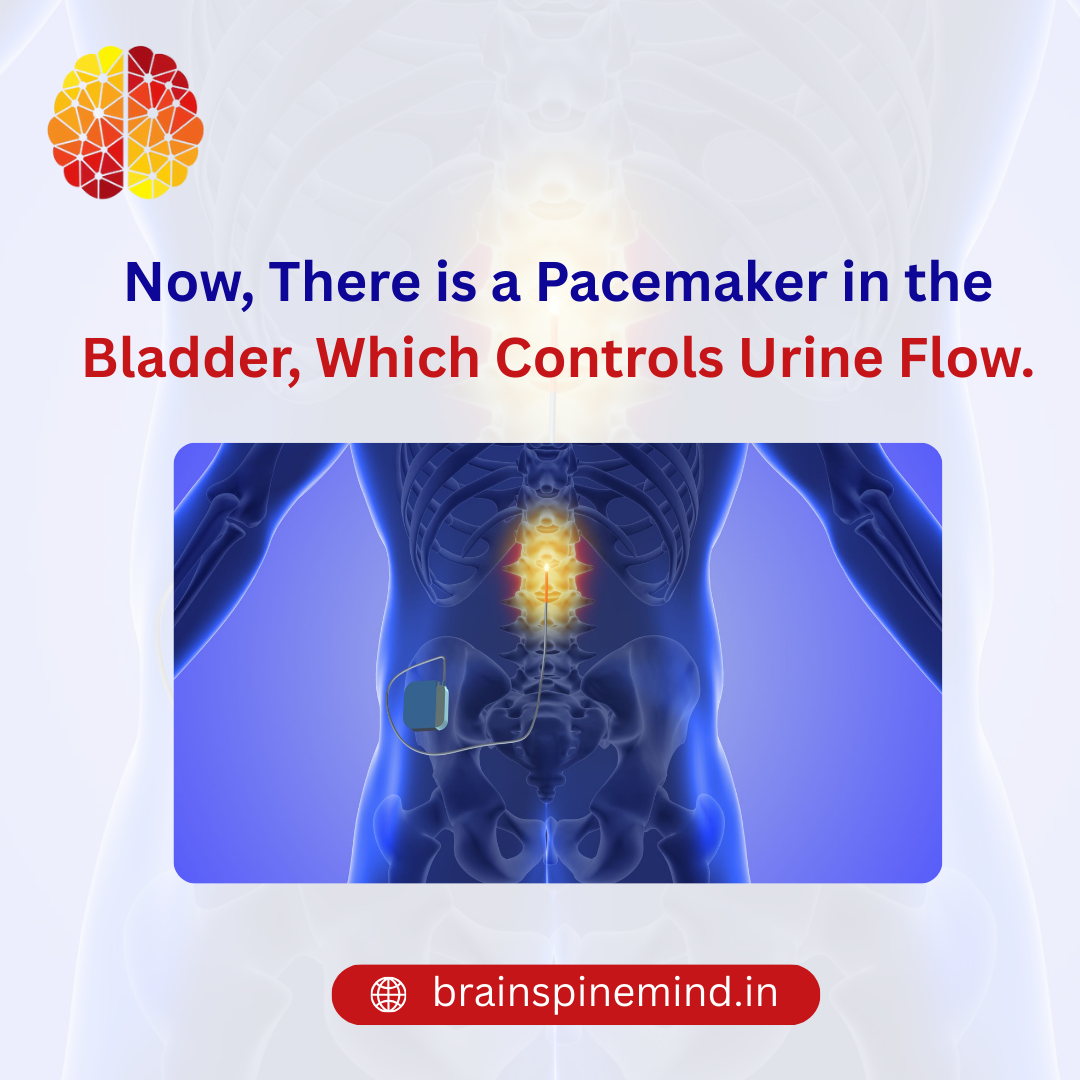 Now There is a Pacemaker in the Bladder, Which Controls Urine Flow.
-
 Searching for a Neurologist in Jaipur? Here’s Your Detailed Overview
-
 Passionate about Brain Care However, See the Top Neurology Doctor in Jaipur
-
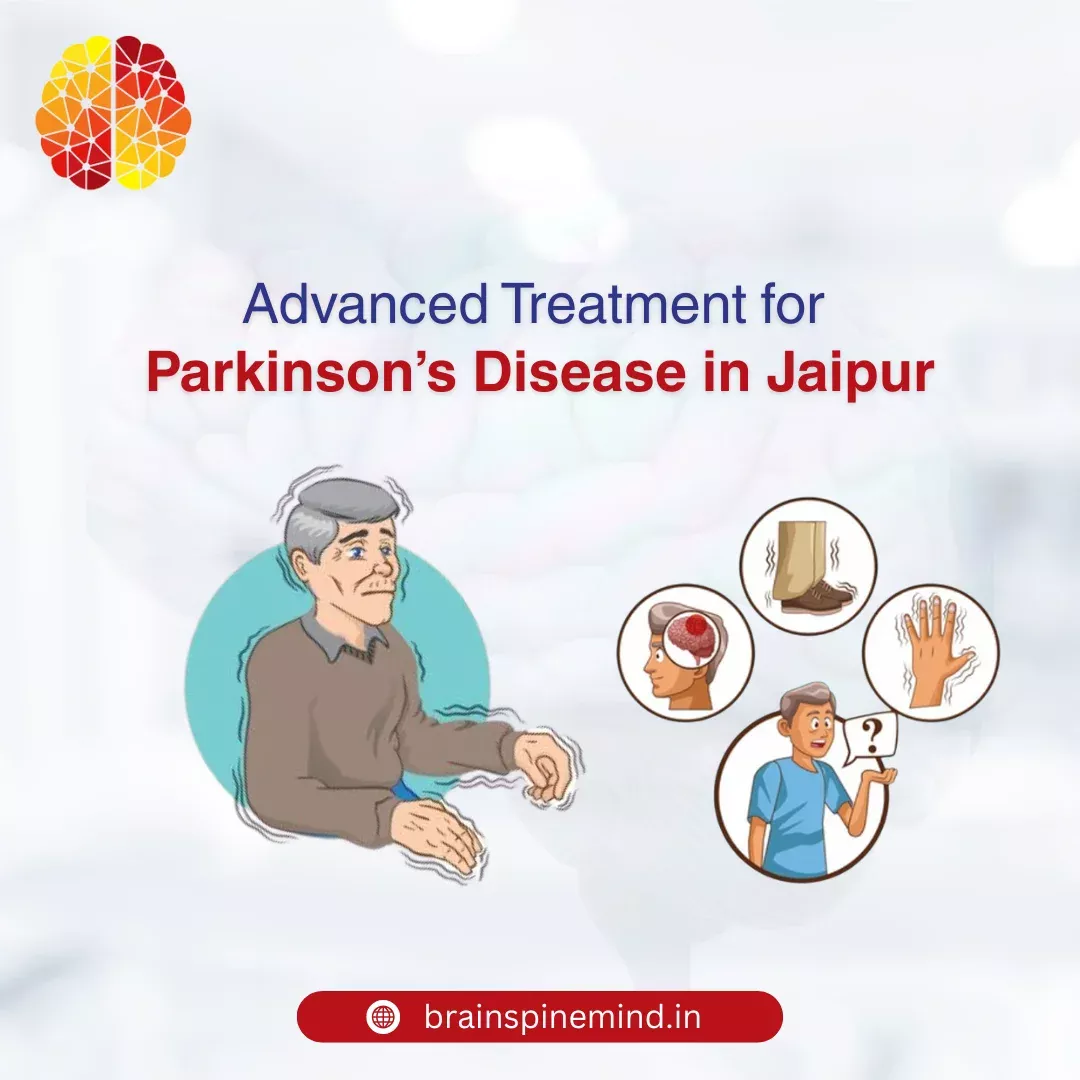 Advanced Treatment for Parkinson Disease in Jaipur